Your Cart is Empty

Updated October 2026
If turning a grinder is uncomfortable, shopping by color is officially over. The features that matter are wonderfully unglamorous: diameter, grip texture, closure, load size and how easily the grinder stays clean.
The best manual grinder for limited grip is usually wide enough to provide leverage, textured enough to hold securely, and easy to open without several tight turns. But there is no universally “accessible” grinder. Hand size, motion, strength, sensation and pain vary. If a push button or switch is easier than twisting, an electric grinder may be the better tool. That is not a defeat for manual engineering. It is the tool doing its job.
This guide discusses product ergonomics, not medical treatment. If hand pain, weakness, numbness or loss of motion is new, worsening or unexplained, speak with a qualified clinician.
A wider grinder can provide more turning leverage because your hand acts farther from the center. That can reduce the force required at the fingers for the same turning moment. The trade-off is reach: a diameter that is too wide can be difficult to grasp securely with smaller hands.
That is why “buy the biggest grinder” is not useful advice. The best diameter lets the user make broad contact with the lid and base without overstretching.
If possible, compare the published diameter with a familiar jar lid and test the motion with an empty display model. Product size names are not standardized. One brand's medium may be another brand's ambitious small.
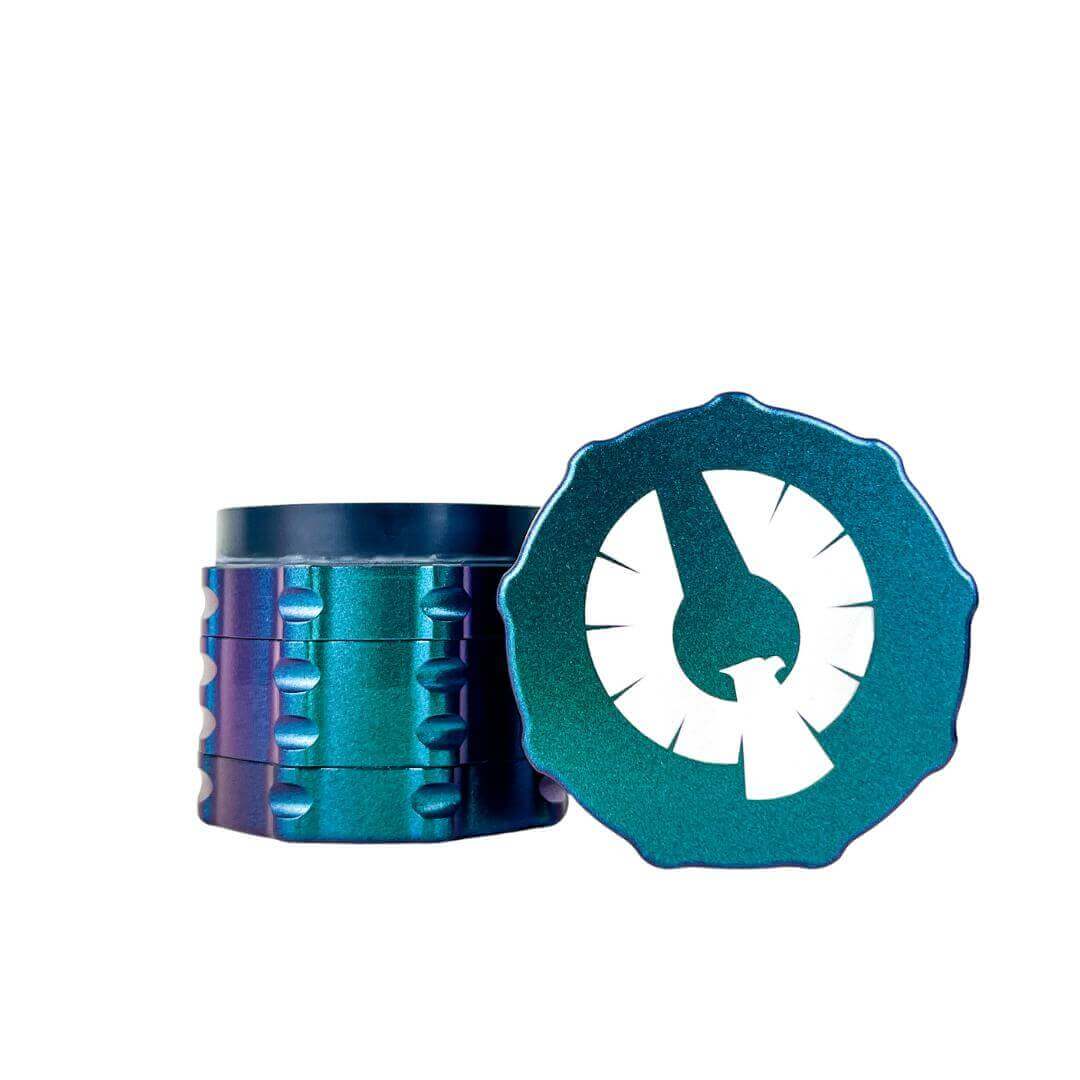
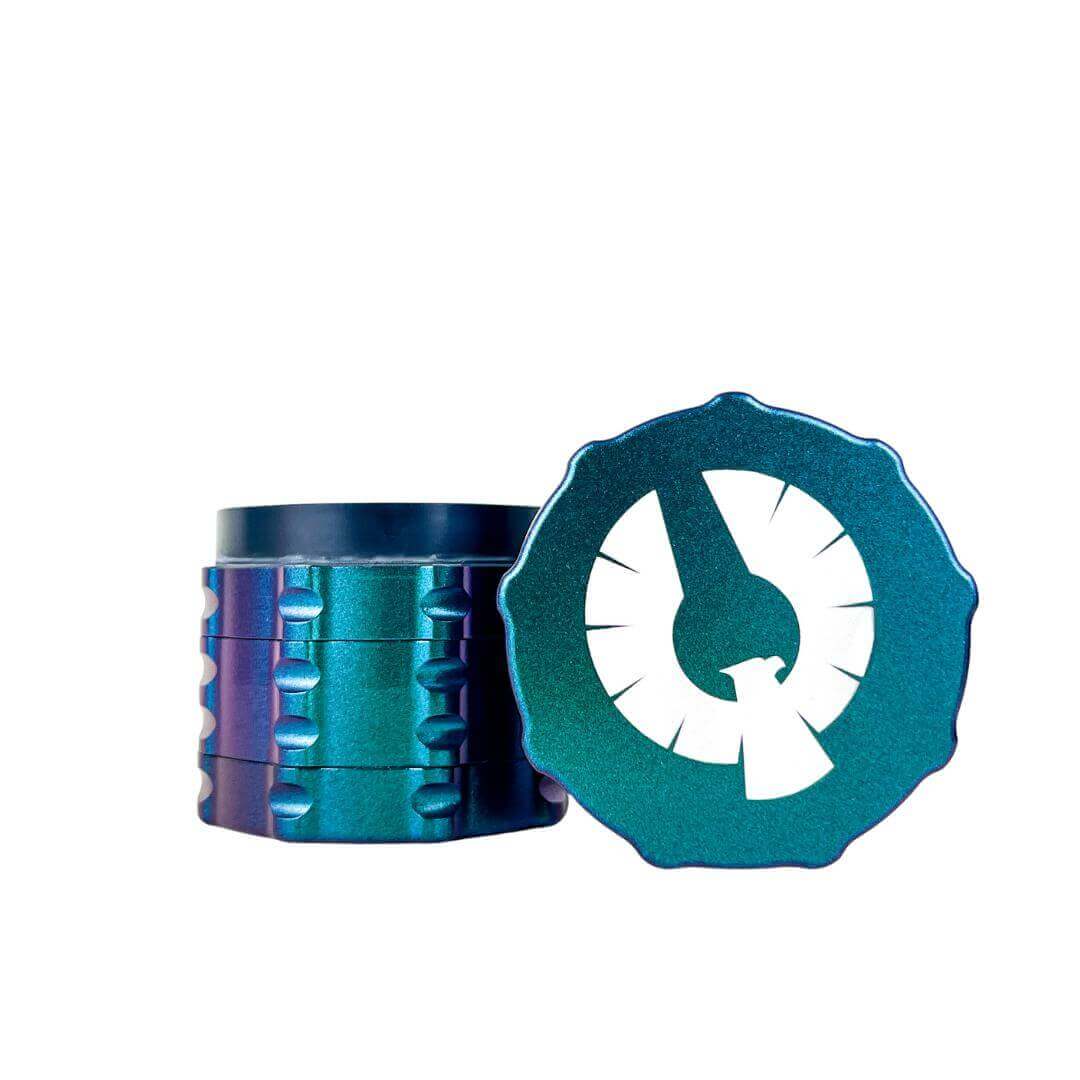
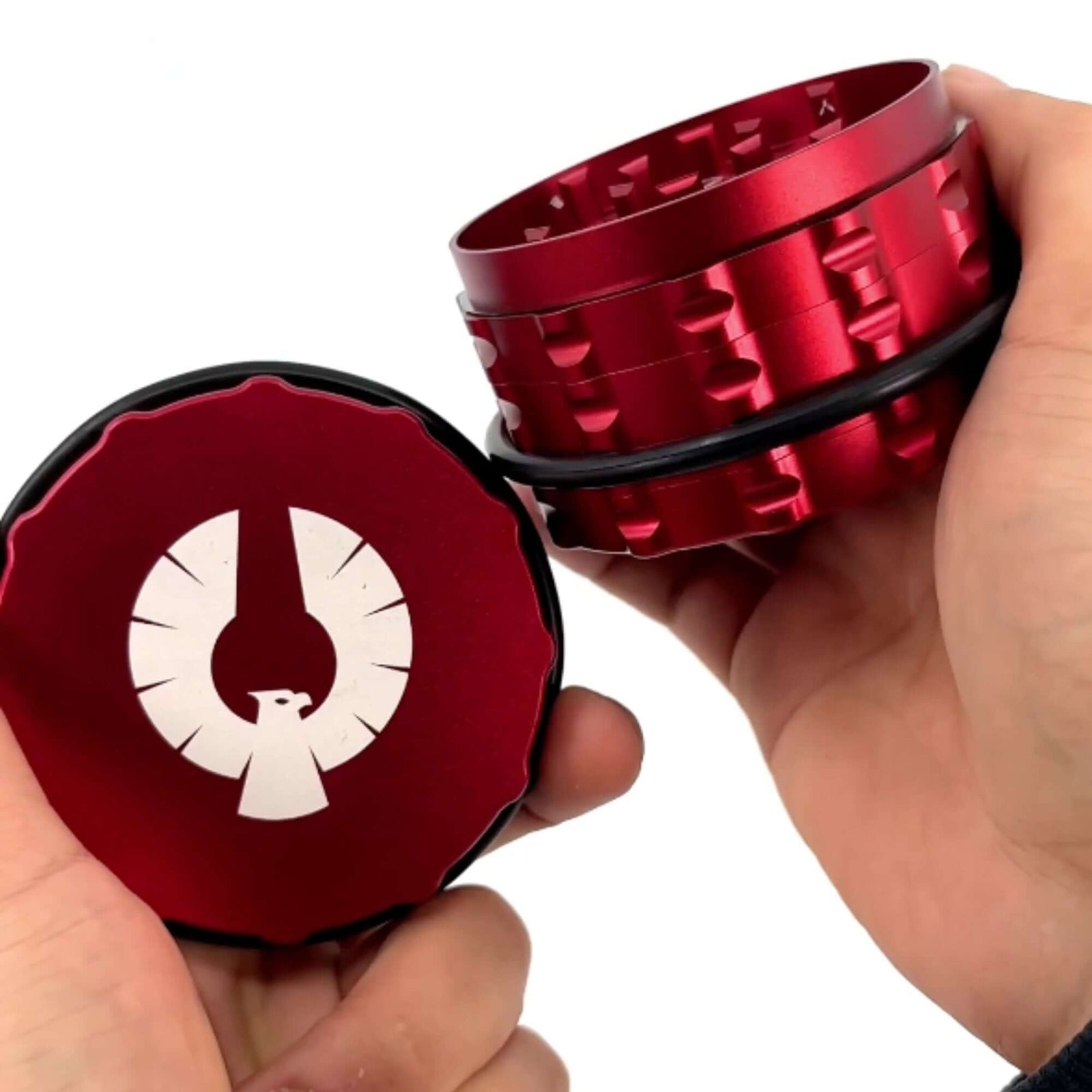
Smooth cylinders can demand more squeeze. Grooves, scallops, facets or a textured band can improve contact, especially when hands are dry, damp or less sensitive.
Texture should be broad enough to grip without sharp pressure points. Deep, decorative ridges are not automatically more usable. The useful question is whether the shape gives the whole hand somewhere stable to press.
For general accessible-product design, the Arthritis Foundation recommends considering grip, rotational force, pressure points and the number of actions required. Those principles are useful here even though no Phoenician grinder is represented as independently certified: Arthritis Foundation Ease of Use design guides.
Threaded chambers screw together through multiple rotations. A well-made threaded grinder can feel familiar and secure, but aligning threads may require precision, and resin in the grooves can increase resistance.
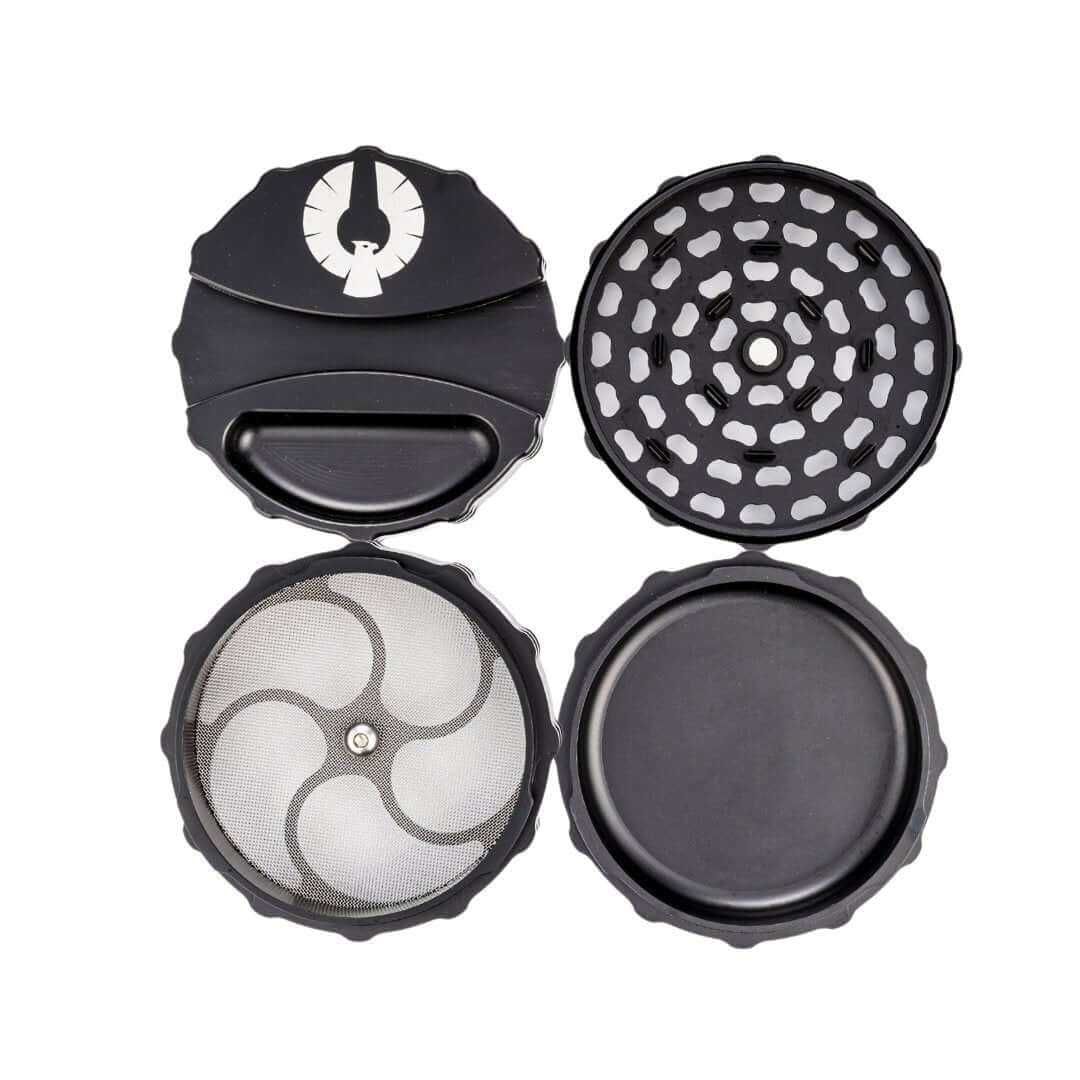
A short-turn threadless connection uses locking surfaces rather than a long spiral. It may reduce the number of turns and remove thread grooves from the cleaning routine. It still needs to be aligned, kept clean and used as designed.
Avoid absolute promises. No closure makes dirt, damage or overfilling irrelevant. The goal is fewer difficult motions—not a claim that physics has been laid off.
Even an ergonomic exterior will fight back if the chamber is packed solid. Dense material between the teeth increases resistance. Moist or sticky material can add more.
For an easier turn:
The least expensive ergonomic upgrade is often putting less into the grinder.
A grinder that felt manageable when new may become difficult as residue builds around the rim, closure or moving surfaces. Regular light cleaning is easier than waiting until the lid qualifies as structural adhesive.
Use a dry brush for routine maintenance. Follow the manufacturer's material-specific instructions for deeper cleaning. Isopropyl alcohol may be appropriate for some unpainted metal parts, but it can damage certain finishes and materials. Keep it away from heat and flame, work with ventilation, and let every part dry fully before reassembly.
For a material-aware procedure, use our step-by-step grinder cleaning guide.
| Manual grinder | Electric grinder |
|---|---|
| Requires a twisting motion | Usually uses a button or switch |
| No charging or motor | Requires power or batteries |
| Often simpler to disassemble and clean | Cleaning depends heavily on the model |
| Gives direct control over number of turns | May produce a more fixed result |
| Can be difficult during pain or fatigue | Can reduce twisting but may add small buttons, lids or charging tasks |
An electric grinder is the better choice when pressing its control and managing its container are easier than twisting a manual grinder. Review the specific control size, required hold time, lid operation, cleaning process, charging connector, weight and noise. “Electric” does not automatically mean accessible; it merely moves the difficult task somewhere else.
A medium-to-large diameter often provides more leverage than a very small grinder, but the correct size depends on reach and hand shape. Use this test:
Choose the size that allows the broadest comfortable contact. If the user must pinch with fingertips, the grinder may be too small or too smooth. If the hand cannot span the lid, it may be too large.

For a concrete reference, the Phoenician PRO 4 Piece Medium is listed at 2.470 inches in diameter, while the PRO 4 Piece Small is 1.855 inches. Treat those numbers as fit information, not a promise that one size will be easier for every hand.
An external silicone or rubber grip band may increase friction and diameter. Use only an accessory compatible with the specific grinder and place it where it cannot interfere with seams, locking surfaces or product operation. Phoenician Bumper Rings are sold in Small, Medium and Large sizes; the accessory size must match the grinder size exactly.

Avoid improvised attachments that can slip suddenly. A clever hack stops being clever when it launches the contents across the kitchen.
Before choosing a grinder, compare:
If the product page does not answer these questions, ask the manufacturer. “Premium” is not an ergonomic specification.
Sometimes. A wider diameter can improve leverage, but it can also be harder to span. Compare the actual diameter with a familiar lid and choose the size that supports broad, comfortable contact.
A short-turn threadless design may require fewer rotations and eliminates spiral thread grooves, but ease still depends on grip, alignment, cleanliness, load and the individual user. Describe the mechanism; do not promise a medical or universal outcome.
An electric model may reduce twisting, but arthritis affects people differently and electric models still require controls, lids, cleaning and charging. Choose the task pattern that is easier for the individual, and seek clinical or occupational-therapy advice for personalized adaptations.
Use a smaller load, distribute material evenly, keep the rim and closure clean, and follow the manufacturer's maintenance instructions. If the motion still hurts or feels unsafe, stop forcing it and consider a different size, closure or electric model.
For limited grip, look for a diameter that provides leverage without overstretching, an exterior that supports broad contact, a closure with manageable motion, and a design you can keep clean. Use smaller loads. Compare manual and electric options honestly.
The best grinder is not the one that wins a torque contest. It is the one the person can use comfortably, consistently and without turning a small routine into an argument.

Compare Phoenician and Brilliant Cut threadless grinders by closure, chamber design, screen system, grind plates, materials, dimensions and list price—with currencies clearly labeled.

Learn how a 4 piece grinder screen sifts loose material, how screen openings change the result, and how to collect, store and clean with less waste.

Choose a grinder for joints by texture, capacity and workflow. Compare 2 piece and 4 piece designs, then see how Phoenician's paper-holder model keeps papers and a rolling surface together.
A 2 piece weed grinder is a lid and a bowl, nothing else. No screen to clog, no chamber to empty, and a fluffier grind because the flower stays in the teeth instead of dropping through holes. Phoenician 2 piece grinders use the same arced cutter blades, threadless quick lock and aerospace-grade 6061-T6 aluminum as the PRO 4 piece, with a notched grip groove around the body, and they carry the same limited lifetime warranty.
People who roll or pack right away and do not want to collect kief, people who want the fastest clean possible, and anyone who prefers a lighter grinder. If you want to save trichomes, choose a 4 piece grinder with a kief catcher instead.
Medium: 2.47 inch diameter, 1.14 inch tall, 5 oz. The everyday size. $39.99.
Large: 3.225 inch diameter, 1.14 inch tall, 9 oz. For bigger batches and shared sessions. $49.99. See all large weed grinders.
See all weed grinders or read our best weed grinder buyer's guide to compare 2 piece and 4 piece designs side by side.