Your Cart is Empty

Short answer: an electric weed grinder can reduce twisting and speed up larger batches. A manual grinder needs no battery and gives you direct control over the number of turns. Neither category automatically wins on texture, cleaning or durability—the mechanism, materials and care instructions matter more than the power source.
Full disclosure: we only make manual grinders. That said, electric grinders have real advantages, and pretending otherwise wouldn't help you pick the right one. Here's the honest breakdown.

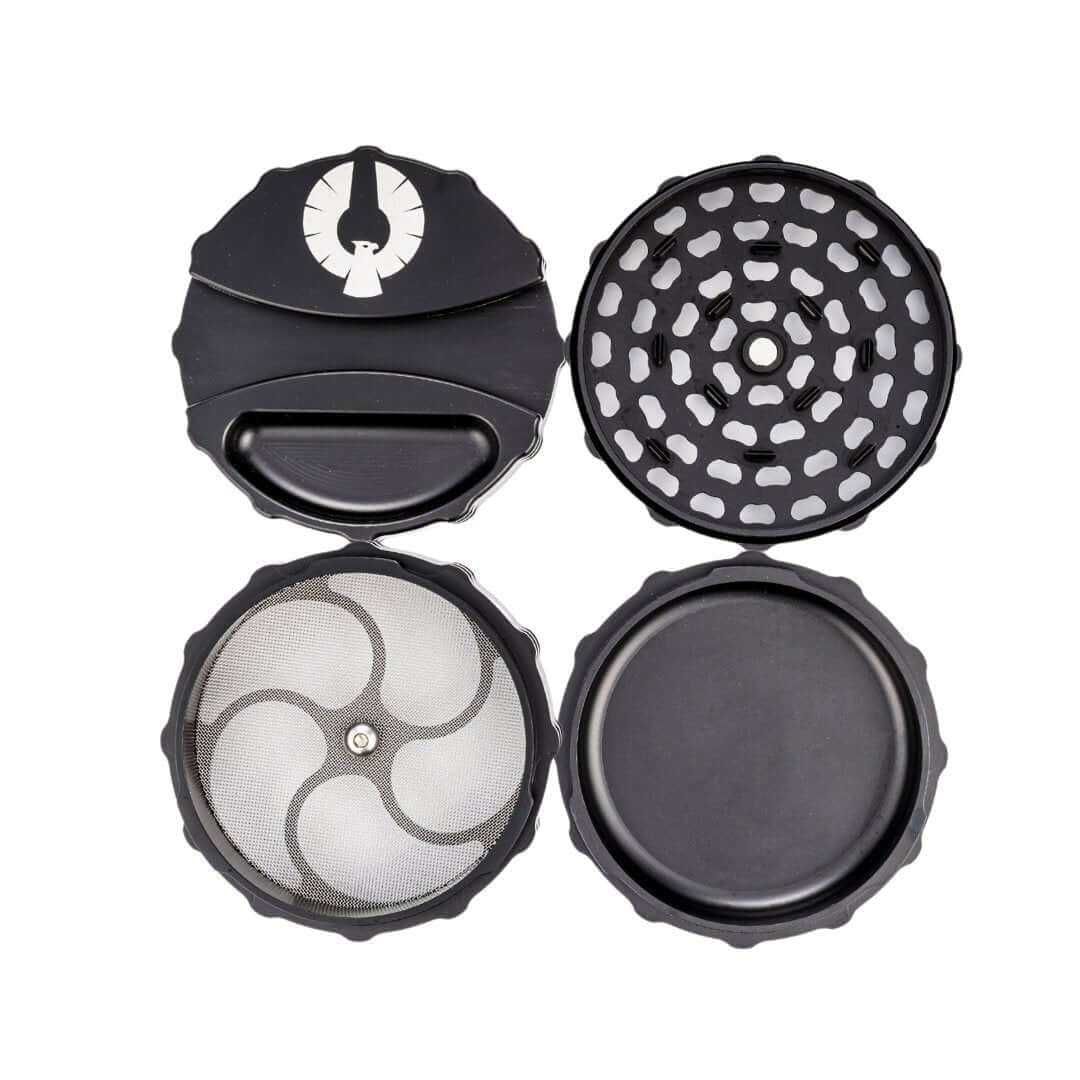
Manual grinders use two sets of teeth. You twist the lid and the teeth move past each other, cutting the flower. On a 4 piece, the cut flower drops through holes into a collection chamber, and a screen below that sifts kief into a bottom catcher.
Electric grinders do the turning for you with a small motor, usually battery powered and often rechargeable. Designs vary a lot. Many use a spinning blade, similar to a small coffee grinder. Others spin a set of teeth or a burr-style mechanism. Some are built to grind straight into a cone or tube for rolling.
That difference in cutting style matters more than the motor.
A manual grinder gives you direct control over the number and length of turns. There is no battery or charging port, but the twisting motion may not suit every hand. Cleaning depends on the material, finish, magnets and removable parts; do not assume the whole grinder can be soaked. Our guide on how to clean a weed grinder starts with material and finish checks.
The catch: not all manual grinders are good. Cheap ones with blunt teeth and sticky threads can make you work hard for a mashed result, which is half the reason people start shopping for electric in the first place. If grinding feels like a workout, the grinder is often the problem, not your grip.
| Typical electric grinder | Typical manual grinder | |
|---|---|---|
| Speed | Motorized; often fast | Speed depends on load and mechanism |
| Effort | Less twisting; controls still require operation | Requires grip and rotation |
| Grind texture | Depends on blade, tooth or burr design and run time | Depends on tooth pattern, openings, load and turns |
| Kief collection | Model-dependent | Available on many 4 piece models |
| Power | Battery or charging needed | None |
| Cleaning | Brush and wipe around electronics | Disassemble and clean only as the maker directs |
| Parts that can fail | Motor, battery, switch, port, blades | Fewer powered components; closures and other parts still need care |
| Portability | Bulkier | Pocket sizes available |
Compare electric models first if: twisting is uncomfortable, you regularly prepare larger batches, or you want a grind-into-cone workflow. Check the control size, lid motion, cleaning steps, replacement parts and warranty—not just the motor.
Compare manual models first if: you want direct control over turns, a screen and lower chamber are important, or you do not want another battery to charge. For a hand-focused checklist, read our grinder guide for limited grip.
Phoenician manual grinders use machined cutting teeth and inverse-trapezoid drop-through openings. Load lightly, use short turns and inspect the texture instead of relying on an absolute number of rotations.
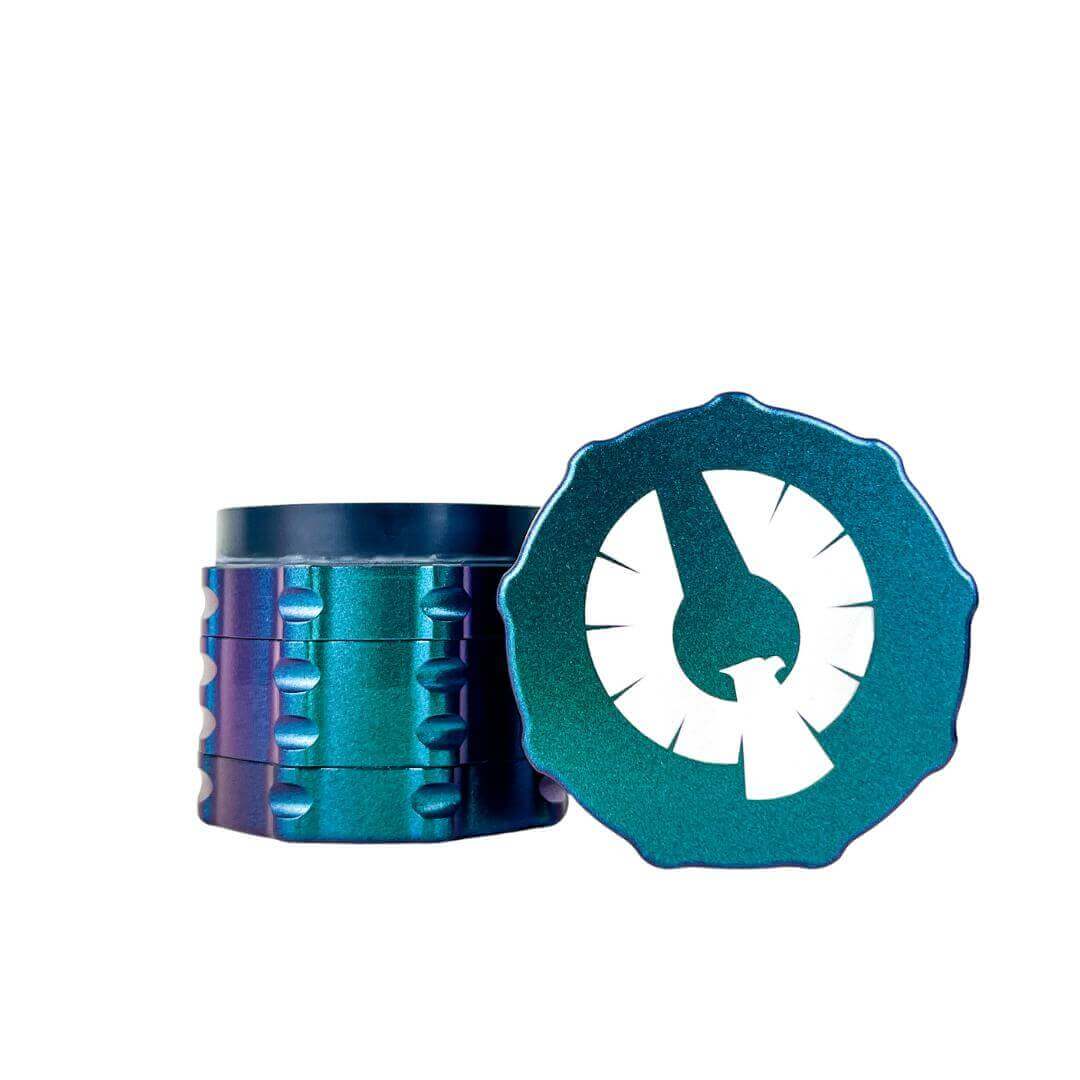
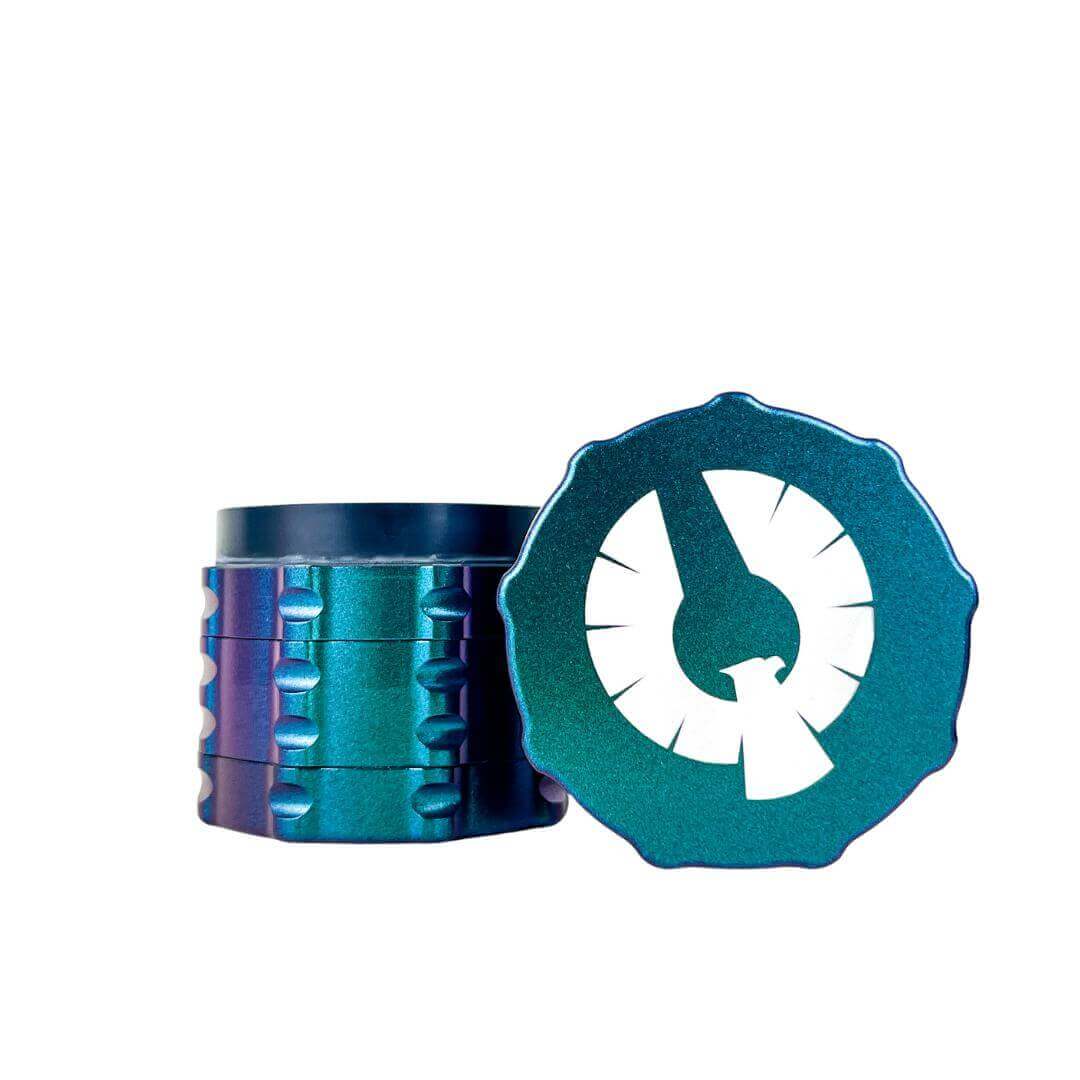
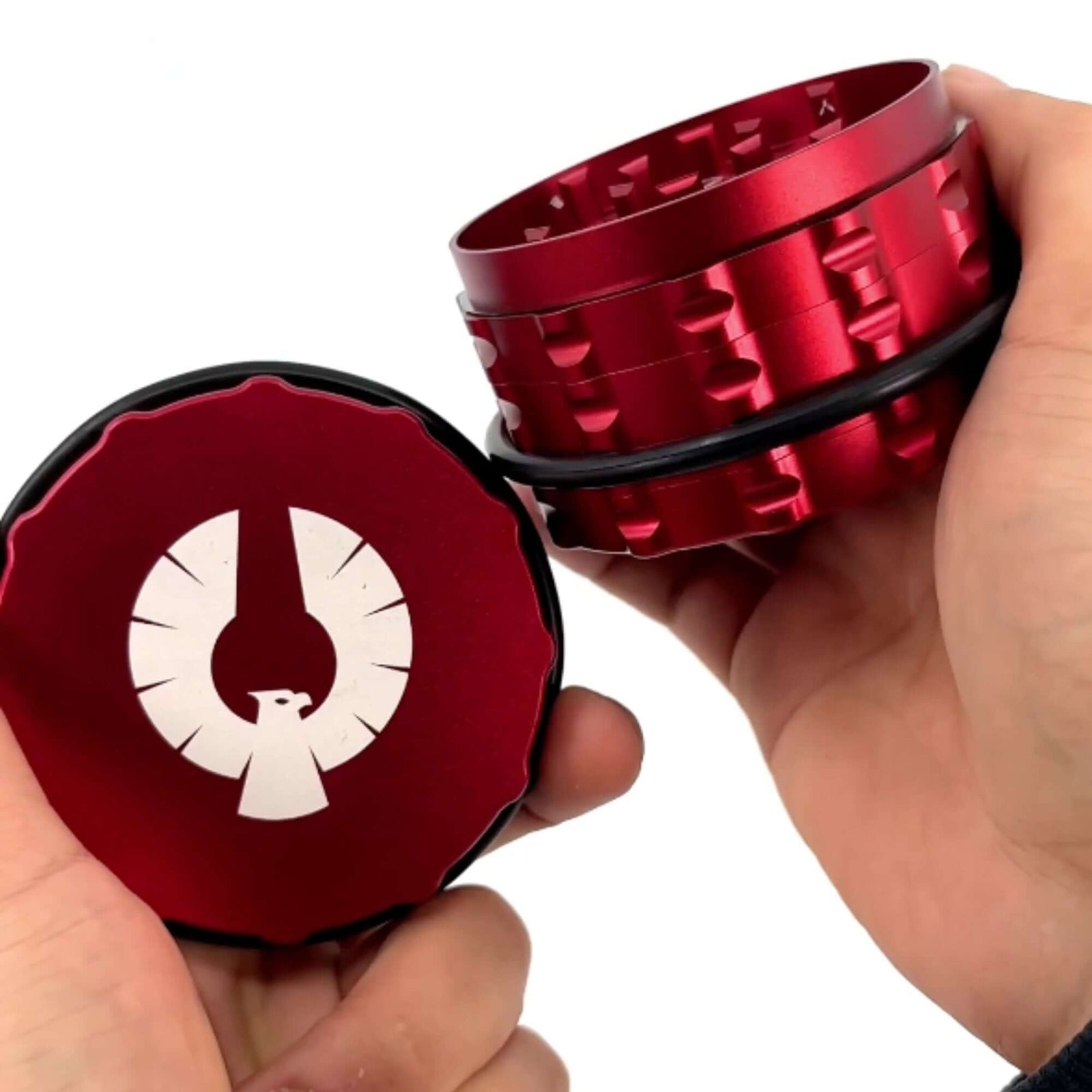
Our threadless grinder lock uses three locking wedges that drop into notches. A short turn locks or opens each section, eliminating spiral thread grooves; the locking surfaces still need normal cleaning, and a magnet holds the lid. Every grinder is made from 6061-T6 aluminum with Type II anodizing.
Want a separate collection chamber? Our 4 piece grinders have a removable stainless-steel screen (300 micron installed) above a beveled bottom chamber, and a kief spoon comes in the box. Phoenician's limited lifetime warranty covers specified functional parts against manufacturing defects, subject to registration within 90 days and the exclusions on the warranty page.
Browse all Phoenician weed grinders, or if you're still weighing sizes and styles, read our guide to choosing a weed grinder.
They can be if speed, reduced twisting or larger batches are your priorities. Compare the specific mechanism and cleaning routine; a motor alone does not guarantee a particular texture or easier maintenance.
Blade-style electric grinders can produce powder when run too long. Tooth and burr designs behave differently. Use short runs where the controls allow it and inspect the result between runs.
Some models include a screen or lower chamber and others do not. If separate collection matters, confirm the exact chamber design before buying.
Follow the manufacturer's instructions. Keep liquid away from the motor and battery unless the manual explicitly permits otherwise, and clean only the removable parts as directed. Manual grinders also require material-specific care; do not assume every part can be soaked.

Compare diameter, texture, closure, load size, cleaning and control style to find an easier-to-use grinder, with honest manual-versus-electric trade-offs.

Compare Phoenician and Brilliant Cut threadless grinders by closure, chamber design, screen system, grind plates, materials, dimensions and list price—with currencies clearly labeled.

Learn how a 4 piece grinder screen sifts loose material, how screen openings change the result, and how to collect, store and clean with less waste.
A 2 piece weed grinder is a lid and a bowl, nothing else. No screen to clog, no chamber to empty, and a fluffier grind because the flower stays in the teeth instead of dropping through holes. Phoenician 2 piece grinders use the same arced cutter blades, threadless quick lock and aerospace-grade 6061-T6 aluminum as the PRO 4 piece, with a notched grip groove around the body, and they carry the same limited lifetime warranty.
People who roll or pack right away and do not want to collect kief, people who want the fastest clean possible, and anyone who prefers a lighter grinder. If you want to save trichomes, choose a 4 piece grinder with a kief catcher instead.
Medium: 2.47 inch diameter, 1.14 inch tall, 5 oz. The everyday size. $39.99.
Large: 3.225 inch diameter, 1.14 inch tall, 9 oz. For bigger batches and shared sessions. $49.99. See all large weed grinders.
See all weed grinders or read our best weed grinder buyer's guide to compare 2 piece and 4 piece designs side by side.